
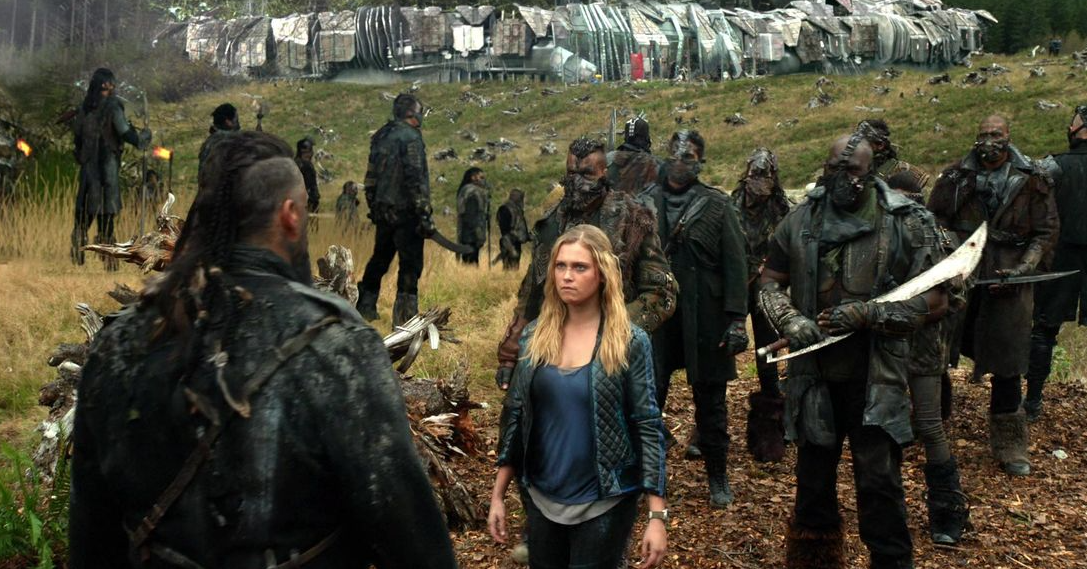
It is easy to focus only on central roles, but the full group matters more than expected. The 100-show cast is designed in such a way that recurring and background roles affect decisions by default. These smaller roles are used to occupy holes that cannot be occupied by the main characters. As individuals talk of the 100 cast grounders, they tend to overlook the fact that these positions contribute to the bigger picture. It is not about screen time; it is about function within the story.
Grounder Roles Are Not Just Extras On Screen
Grounders are often seen as background figures, but that is not accurate at all. The presence of the 100 cast grounders adds depth to the cultural and political systems shown throughout the series. Their behavior reflects structure, not randomness. Looking at the 100 cast, Grounders contribute to tension, alliances, and conflict without needing constant focus. They operate as part of a larger system.
Casting Choices Affect Group Dynamics Strongly
Casting is not just about individual performance; it shapes how groups interact overall. Different acting styles create varied energy within scenes. In the 100-show cast, these differences affect how believable interactions feel. The same applies to the 100 cast grounders, where group presence depends on coordinated movement and behavior. It is not random positioning.
Screen Time Does Not Define Importance
Some roles appear briefly but still influence major outcomes. Limited screen time does not reduce impact if the role is positioned correctly. In the 100 cast, smaller appearances often connect to larger decisions later. This is also true for the 100 cast grounders, where even short scenes can shift direction or increase tension. Importance is not measured by duration alone.
Background Presence Builds Atmosphere
Scenes feel more realistic when there is activity beyond the main focus. Background characters create a sense of scale and movement. The structure of the 100-show cast uses this technique consistently. With the 100 cast grounders, background presence adds cultural detail without needing direct explanation. It makes environments feel active rather than empty.
Group Behavior Reflects Training and Coordination
Large groups on screen do not act randomly; they follow planned movement and timing. This creates consistency across different scenes. In the 100 cast grounders, coordinated behavior reflects discipline and structure. Looking at the 100 cast, similar coordination appears in different group settings. It helps maintain realism without drawing attention to itself.
Dialogue Distribution Shapes Scene Balance
Not every character needs equal dialogue for a scene to work effectively. Lines are distributed based on role and function. In the 100-show cast, dialogue often highlights key characters while others support silently. For the 100 cast grounders, silence can be just as important as speech. It reinforces presence without interrupting flow.
Visual Design Supports Character Groups
Costume and styling help distinguish different groups quickly without explanation. These visual cues make it easier to understand roles instantly. In the 100 cast grounders, design reflects identity and environment. The broader the 100 cast uses similar techniques to separate factions visually. It reduces the need for constant explanation.
Movement and positioning influence focus
Where characters stand and how they move affect what viewers notice first. Positioning is used to guide attention within a scene. In the 100-show cast, this technique controls visual focus effectively. With the 100 cast grounders, group positioning often shows hierarchy or readiness without dialogue. It communicates information quietly.
Casting Diversity Adds Complexity to Interactions
Different personalities and acting styles create varied interactions between characters. This diversity prevents scenes from feeling repetitive. In the 100-show cast, variation adds depth to group dynamics. The same effect appears in the 100 cast grounders, where different individuals contribute to a collective identity. It avoids uniform behavior.
Supporting Roles Fill Narrative Gaps
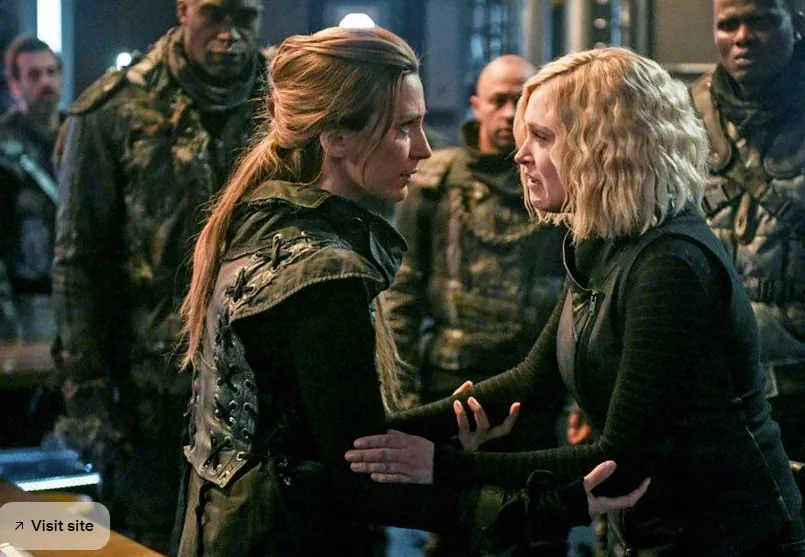
Main characters cannot cover every part of the story, so supporting roles fill those gaps. These roles provide context and continuity. In the 100-show cast, supporting characters connect different story elements. For the 100 cast grounders, supporting roles maintain consistency within their groups. They help build a complete system.
Scene Transitions Rely On Cast Structure
Transitions between scenes often depend on how characters are positioned and introduced. The arrangement of the 100-show cast helps maintain flow between different storylines. With the 100 cast grounders, transitions often involve group movement or presence rather than dialogue. It keeps pacing steady without extra explanation.
Consistency Requires Repetition and Coordination
Maintaining consistency across episodes requires repeated patterns in behavior and appearance. This is achieved through careful coordination. In the 100-show cast, consistency helps viewers follow the story without confusion. The same applies to the 100 cast grounders, where repeated patterns reinforce identity and structure. It builds familiarity over time.
Conclusion
Focusing only on the main characters misses how the full system works together. Every role contributes to the overall structure in some way. The design of the 100-show cast depends on collective function rather than individual focus. Understanding the 100 cast grounders helps complete that picture by showing how groups operate. It turns isolated scenes into a connected system.
