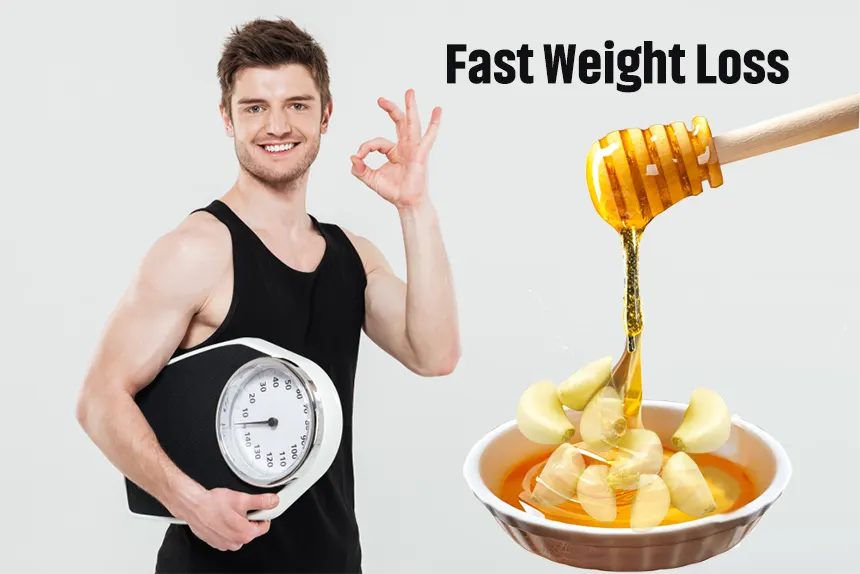
Raw Garlic और Honey का संयोजन बहुत स्वादिष्ट नहीं लग सकता है, लेकिन यह Fast Weight Lose और समग्र स्वास्थ्य में सुधार करने में सहायता करता है
वजन कम करना बहुत आसान नहीं है, लेकिन छोटी-छोटी स्वस्थ आदतें भी आपके वजन घटाने की यात्रा को थोड़ा जल्दी और आसान बनाने में काफी मदद कर सकती हैं। कुछ आहार संबंधी आदतें हैं जो आपको तेजी से परिणाम प्राप्त करने में मदद कर सकती हैं जैसे सुबह और भोजन से पहले गर्म पानी पीना, या स्वस्थ नाश्ता करना आदि। यदि आप ऐसे व्यक्ति हैं जो अपना वजन कम करना चाहते हैं, तो आप शायद इनसे परिचित होंगे। Fast Weight Lose के लिए Raw Garlic और Honey के मिश्रण को खाली पेट खाएं
Fast Weight Lose करने वाला ये घरेलू उपाय के बारे मे बहुति कम लोगो को जानकारी होगी खाली पेट शहद में लहसुन भिगोकर खाना। शहद और लहसुन का मिश्रण बहुत स्वादिष्ट नहीं लग सकता है, लेकिन जब वजन घटाने और आपके समग्र स्वास्थ्य में सुधार की बात आती है तो यह बहुत फायदेमंद होता है। पाचन में सुधार और शरीर को detoxify करने के लिए अक्सर सुबह सबसे पहले कच्चे लहसुन का सेवन करने की सलाह दी जाती है।
वास्तव में, पानी के साथ कच्चा लहसुन high blood pressure और High cholesterol levels जैसी कई स्वास्थ्य समस्याओं के लिए एक आम घरेलू उपचार है। ऐसा इस हल्के और तीखे स्वाद बढ़ाने वाली सब्जी में मौजूद कई लाभकारी खनिजों और बायोएक्टिव यौगिकों के कारण होता है। Fast Weight Lose के लिए Raw Garlic और Honey के मिश्रण को खाली पेट खाएं
Fast Weight Lose के अलावा शहद के साथ लहसुन का सेवन करने से कई स्वास्थ्य लाभ भी मिलते हैं:
- Increases immunity
- Promotes digestive system
- Fights with cold
- Detoxifies your body
Benefits of Garlic :
Garlic सदियों से अपने औषधीय गुणों के लिए पहचाना जाता रहा है। यह प्रतिरक्षा प्रणाली को बढ़ावा देने, रक्तचाप कम करने और हृदय स्वास्थ्य में सुधार करने की क्षमता के लिए जाना जाता है। इसके अतिरिक्त, Garlic में ऐसे यौगिक होते हैं जो संभावित वजन घटाने के प्रभावों से जुड़े होते हैं। Allicin, लहसुन में प्रमुख सक्रिय यौगिकों में से एक है, जो चयापचय को उत्तेजित करता है और वसा कोशिकाओं के निर्माण को कम करता है। आपकी चयापचय दर को बढ़ाकर, आपका शरीर अधिक कुशलता से कैलोरी जलाता है, जो वजन घटाने में योगदान कर सकता है।
Benefits of Honey :
दूसरी ओर, Honey एक प्राकृतिक स्वीटनर है जिसका उपयोग विभिन्न स्वास्थ्य स्थितियों के लिए लोक उपचार के रूप में किया जाता है। यह antioxidants, vitamins और minerals से भरपूर है, जो इसे परिष्कृत चीनी का एक स्वस्थ विकल्प बनाता है। कुछ अध्ययनों से पता चला है कि अपने आहार में चीनी की जगह शहद को शामिल करने से भूख को नियंत्रित करने और कैलोरी की मात्रा कम करने में मदद मिल सकती है, जिससे वजन घटाने के प्रयासों में मदद मिल सकती है। शहद प्राकृतिक ऊर्जा को भी बढ़ावा देता है, जो आपकी शारीरिक गतिविधि को बढ़ा सकता है और अधिक कैलोरी जलाने में सहायता कर सकता है। Fast Weight Lose के लिए Raw Garlic और Honey के मिश्रण को खाली पेट खाएं
Fast Weight Lose के लिए Raw Garlic और Honey का सेवन कैसे करें?
कच्चे लहसुन और शहद का मिश्रण एक शक्तिशाली जोड़ी बनाता है जो खाली पेट सेवन करने पर वजन घटाने में संभावित रूप से सहायता कर सकता है।
आपको बस कुछ साफ और ताजी लहसुन की कलियाँ, कुछ कच्चा या जैविक शहद और एक कांच का जार चाहिए। छिली हुई लहसुन की कलियों को जार में डालें और उनके ऊपर शहद डालें, जब तक कि वे उसमें पूरी तरह से ढक न जाएँ। जार का ढक्कन कसकर बंद करें और इसे हिलाएं ताकि शहद लहसुन पर पूरी तरह से चढ़ जाए। Fast Weight Lose के लिए Raw Garlic और Honey के मिश्रण को खाली पेट खाएं
मिश्रण को कुछ देर के लिए ऐसे ही छोड़ दें ताकि शहद और लहसुन दोनों में पोषक तत्व मिल जाएं। यदि आप जल्दी वजन कम करना चाहते हैं, तो हर दिन लहसुन की एक कली निकालें, उसे चम्मच से कुचलकर खाली पेट खाएं।
यह घरेलू उपाय आपकी त्वचा के लिए भी अच्छा है। क्योंकि लहसुन एक natural blood purifier है, जिसमें anti-bacterial गुण भी होते हैं।
कच्चे लहसुन और शहद का संयोजन खाली पेट सेवन करने पर Fast Weight Lose के लिए कुछ संभावित लाभ प्रदान कर सकता है। लहसुन के चयापचय-बढ़ाने वाले गुण और शहद की भूख को नियंत्रित करने और प्राकृतिक ऊर्जा प्रदान करने की क्षमता उन्हें एक आशाजनक जोड़ी बनाती है। लेकिन वे स्वस्थ आहार और नियमित व्यायाम का विकल्प नहीं हैं। स्थायी वजन घटाने के लिए, एक व्यापक दृष्टिकोण अपनाना महत्वपूर्ण है जिसमें संतुलित आहार, भाग नियंत्रण, नियमित शारीरिक गतिविधि और स्वस्थ जीवन शैली विकल्प शामिल हैं। यह याद रखना महत्वपूर्ण है कि ये Fast Weight Lose के लिए कोई जादुई समाधान नहीं हैं। Fast Weight Lose के लिए Raw Garlic और Honey के मिश्रण को खाली पेट खाएं
Side Effects : Raw Garlic और Honey खाने के संभावित दुष्प्रभावों :
हालांकि Fast Weight Lose के लिए लहसुन और शहद एक बेहतरीन संयोजन है, Raw Garlic और Honey को उनके कई स्वास्थ्य लाभों के लिए सम्मानित किया गया है, लेकिन कुछ लोगों में इसके कुछ दुष्प्रभाव हो सकते हैं। ऐसा Honey या Garlic से होने वाली एलर्जी के कारण हो सकता है। शहद और लहसुन में मौजूद ये यौगिक सेवन करने पर गंभीर प्रभाव डाल सकते हैं, इसलिए वजन घटाने के लिए इस उपाय को आजमाने से पहले अपने डॉक्टर से परामर्श करना हमेशा बेहतर होता है। इस मिश्रण के कुछ दुष्प्रभाव हैं जो एलर्जी की स्थिति में हो सकते हैं: Fast Weight Lose के लिए Raw Garlic और Honey के मिश्रण को खाली पेट खाएं
Allergic Reactions: कुछ व्यक्तियों को शहद या लहसुन से एलर्जी हो सकती है, जिसके परिणामस्वरूप गंभीर मामलों में खुजली, पित्ती या यहां तक कि एनाफिलेक्सिस जैसी एलर्जी प्रतिक्रियाएं हो सकती हैं। यदि आपको किसी भी घटक से ज्ञात एलर्जी है, तो उनका सेवन करने से बचना महत्वपूर्ण है।
Digestive Discomfort: कच्चा लहसुन खाने से कभी-कभी सीने में जलन, अपच या पेट खराब होने जैसी पाचन संबंधी समस्याएं हो सकती हैं। जब लहसुन का अधिक मात्रा में सेवन किया जाता है तो ये लक्षण अधिक आम होते हैं। इसी तरह, अत्यधिक मात्रा में शहद का सेवन करने से इसकी उच्च चीनी सामग्री के कारण सूजन, गैस या दस्त हो सकता है। Fast Weight Lose के लिए Raw Garlic और Honey के मिश्रण को खाली पेट खाएं
Medication Interactions: लहसुन में रक्त को पतला करने वाले गुण होते हैं, जो संभावित रूप से anticoagulants या antiplatelet दवाओं जैसी दवाओं में हस्तक्षेप कर सकते हैं। यदि आप कोई प्रिस्क्रिप्शन दवाएं ले रहे हैं, तो लहसुन का सेवन बढ़ाने से पहले अपने स्वास्थ्य सेवा प्रदाता से परामर्श करना बुद्धिमानी है। दूसरी ओर, शहद कुछ दवाओं के साथ परस्पर क्रिया कर सकता है, जैसे कि मधुमेह के लिए, इसलिए यदि आपको कोई चिंता है तो चिकित्सीय सलाह लेना महत्वपूर्ण है।
अस्वीकरण: यह सलाह(article) केवल सामान्य जानकारी प्रदान करती है। यह किसी भी तरह से योग्य चिकित्सा राय का विकल्प नहीं है। अधिक जानकारी के लिए हमेशा किसी विशेषज्ञ या अपने स्वयं के चिकित्सक से परामर्श करें। Fast Weight Lose के लिए Raw Garlic और Honey के मिश्रण को खाली पेट खाएं